An E&I 2-Minute Read
Bentley University Upgrades Dining Services and Adds a Ghost Kitchen
2026
What trends are driving change, and upgrades, in collegiate campus dining?
College students are often early adopters of technology, so a campus is a great place to introduce innovative ideas. Students are quick to use mobile order apps and they grew up in a world shaped by technology, and using tech to increase options and accessibility to good products and value. College students also tend to be curious about new foods and seek adventurous dishes. Space constraints may not always allow schools to offer the variety of dining options students expect. So ghost kitchens and virtual restaurants alleviate the constraints of limited space.
OK, so what is a Ghost Kitchen?
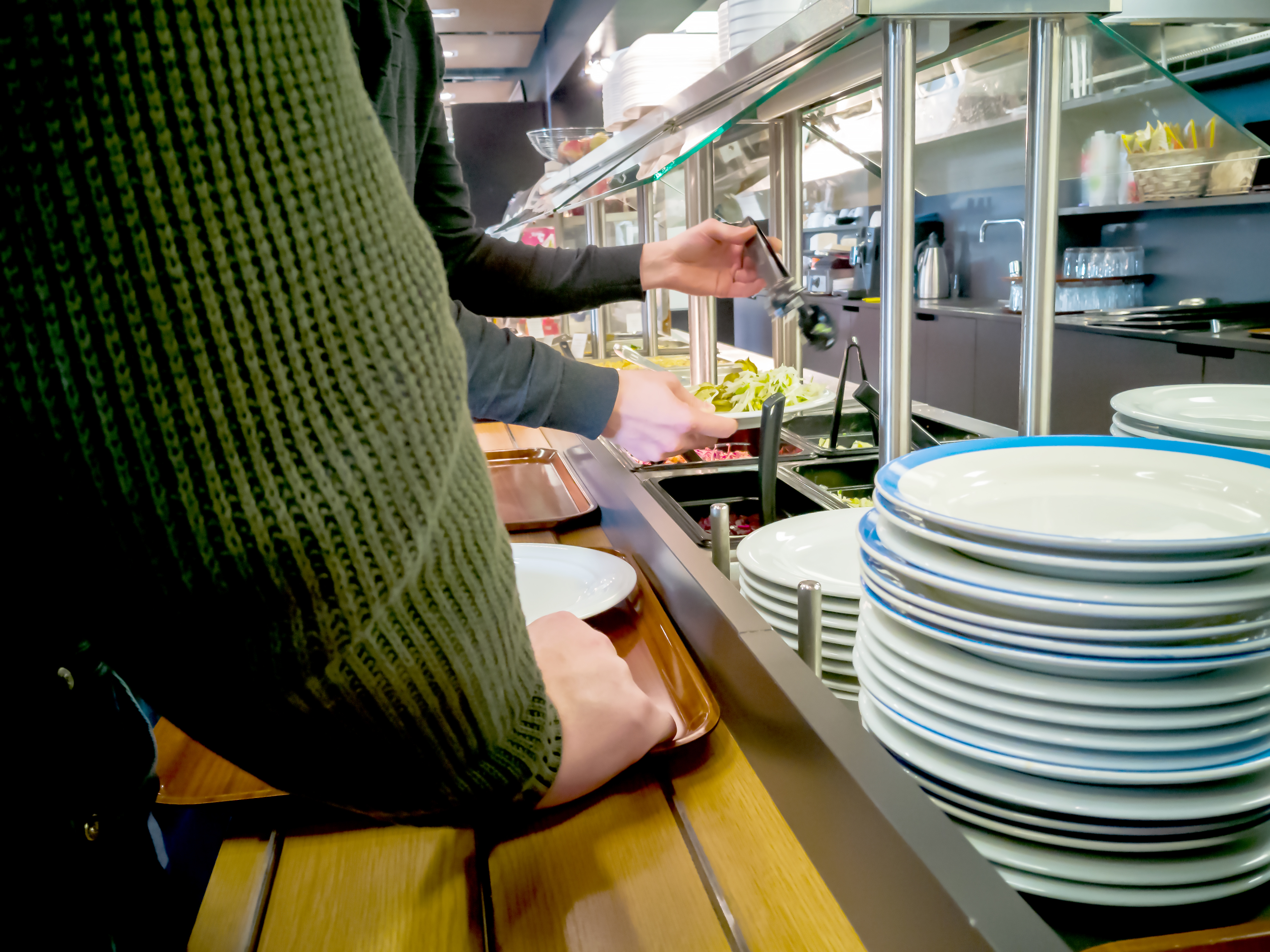
While you may be envisioning a friendly apparition manning a grill, it is a restaurant or preparation facility that services only delivery and takeout orders. Ghost kitchens have all the equipment needed to prepare meals, often from multiple restaurant menus at once, but have no dine-in or customer-facing areas. They let students order from their favorite retail venues with a mobile dining app, and pick their food up from a centralized location. Ghost kitchens provide a greater variety of dining choices, especially if on-campus space is limited. Imagine needing more food options nearby residential facilities but not having much infrastructure. A ghost kitchen could be the answer for your dining needs.
Bentley University (MA) added a Ghost Kitchen
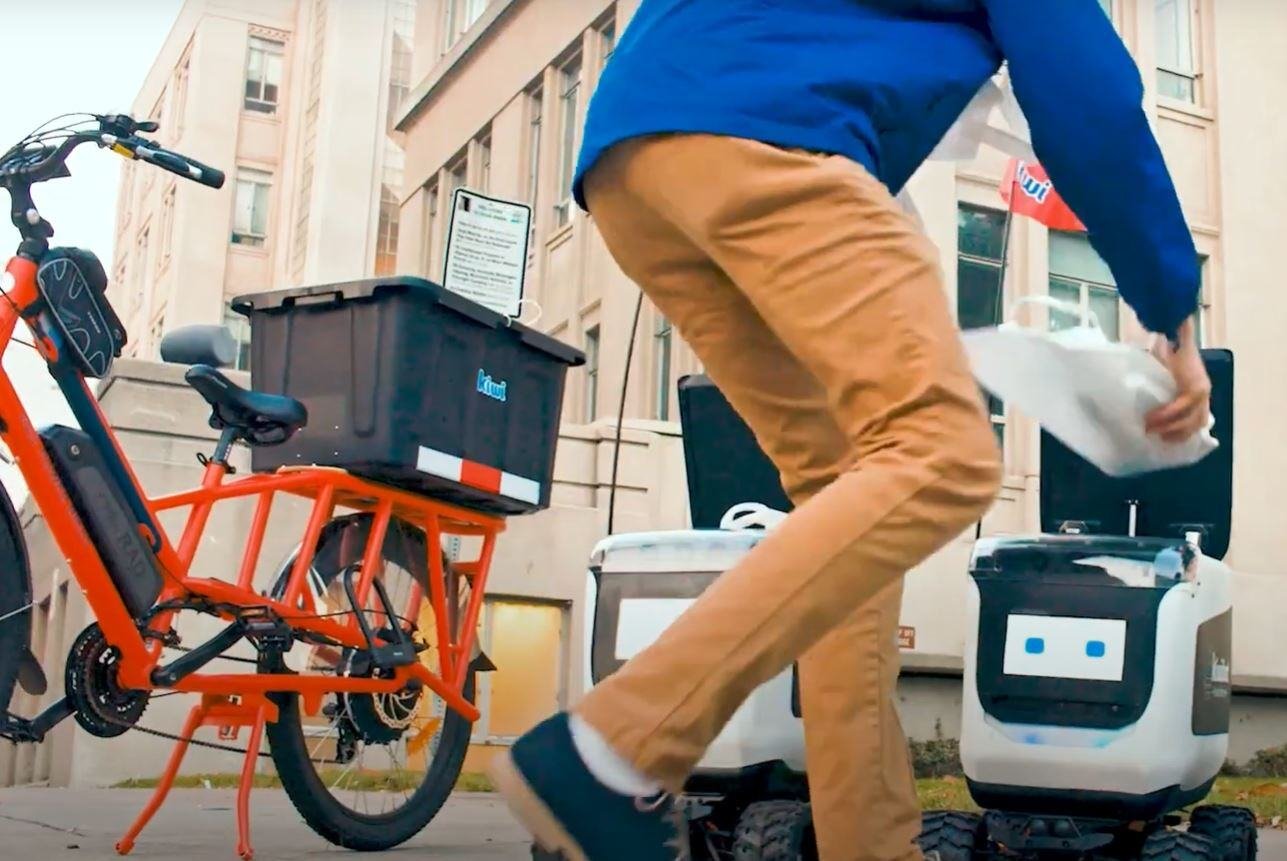
In 2020, with a pandemic a few months in, Sodexo began implementing a ghost kitchen operating model at select college campuses. Some campuses have gone from offering pick-up and delivery from five restaurant concepts on campus to 10 by installing a ghost kitchen model. For example, Bentley University in Massachusetts doubled the number of menu concepts available by utilizing this unique model. Bentley University had students with meal plans that were away from dining facilities, so it turned the little space it had into food prep areas, and students can order via app and pick up their food option.
Bentley University has also increased healthy food options. It works with local vendors often. The dining team is doing some great things, but these local partnerships are a big part of campus. Bentley plans to increase student communications on food and quality, students want to know that the lettuce in their salad, for example, was grown on a nearby farm.
Sodexo is the partner for higher education dining.
Sodexo offers E&I members with managed dining and vending plans, with customization options. Sodexo works in food distribution, managed dining, vending, commercial kitchen equipment, and smallwares and food supplies. It offers dining halls with mobile ordering, delivery, retail options, and more. It helps higher ed institutions to offer better flexible meal and snack options delivered by mobile apps, contactless payment options, and even autonomous delivery robots. With Sodexo, campus dining has never been easier.
See your E&I contract with Sodexo.

Bentley's dining team has also created the Dining Ambassador program to ensure that students know that we’re here, it cares and the dining team is listening. These Ambassadors are available in the 921 at all hours to listen to what students have to say about their experience in the moment. The Ambassadors are easy to spot – they all wear badges that say “Bentley Dining Services Dining Ambassador.” Ambassadors have spoken with a lot of students already, and it’s been really valuable to hear their feedback. Students can also sit down and have lunch with the dining team lead or an ambassador and discuss their dining experiences.

Why Members Work With E&I?
6,000+
U.S. member institutions, universities, and K-12
200+
Member solicited buying
contracts you can access
$3B+
Yearly spend of E&I members
means large savings for you

Key Trends in Higher Education Procurement
The National Association of Educational Procurement (NAEP) surveyed chief procurement officers, chief business officers, and higher education procurement managers or directors about their top focus areas. Budgets are shrinking, and educational institutions are forced to examine cost-cutting measures wherever possible. With budget deficits, enrollment decline, and an end to pandemic relief funds, many schools are cutting programs and services. Procurement teams are under pressure to reduce costs. This E&I article discusses a few key trends, and ways higher education procurement is evolving in 2024.